
Trip to Nara (2) Asuka Village
On the second day in Nara, I rented a bicycle to explore the area.
Asuka Rental Cycle was located near Kashihara Jingu-mae Station. I didn’t book in advance because I wanted to choose between an electric bike and a regular one. I usually ride an electric bike. The electric bike looks good and similar to mine, so I took one, and I suggested the same to my mother. She had never ridden one before but said it would be fine. She’s actually fitter than I am. We paid 1,700 yen per bike for the day and set off.
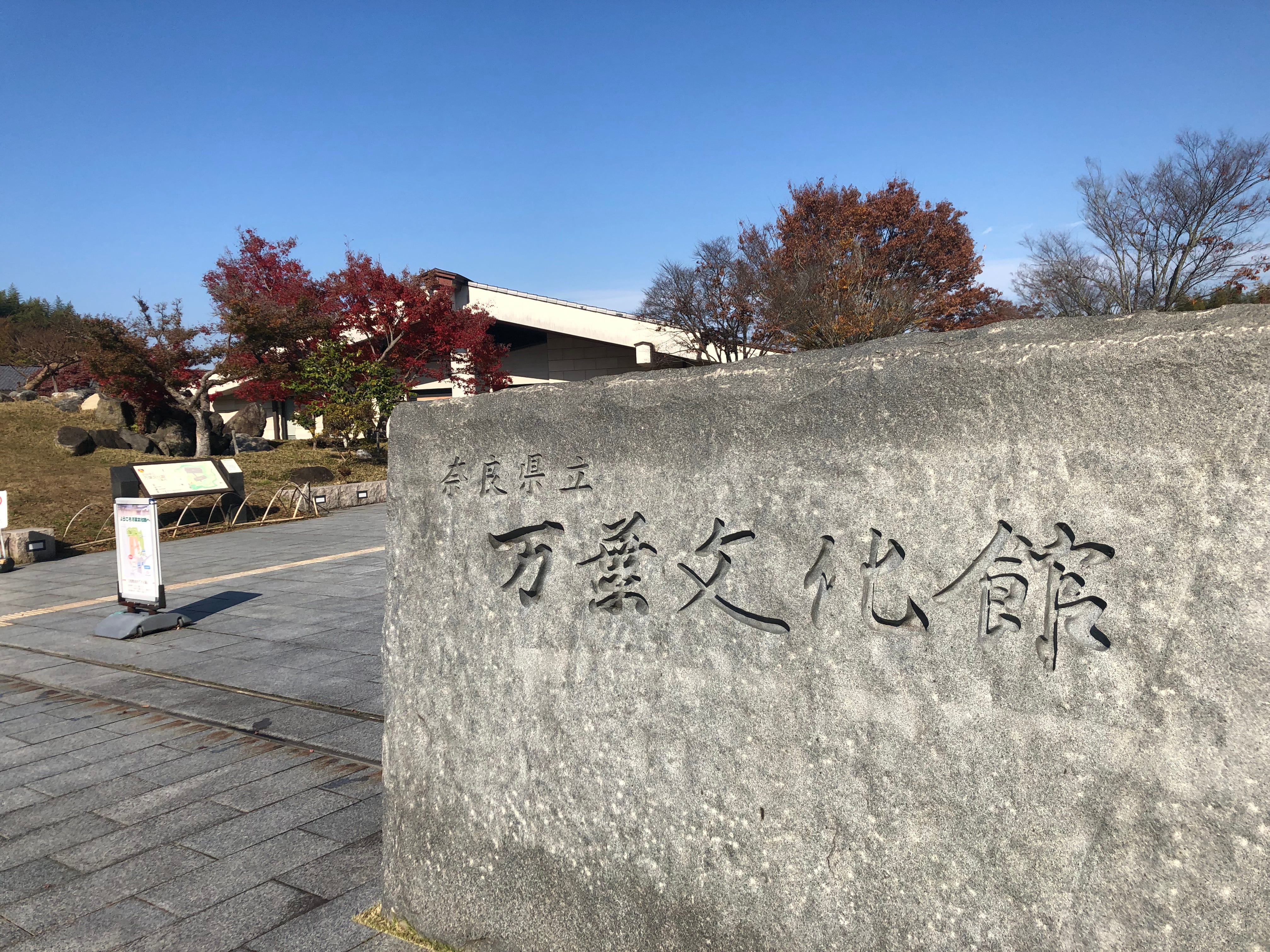
Nara Prefecture Complex of Man’yō Culture was another highlight of this trip. Man’yōshū is Japan’s oldest anthology of waka poetry, and this public museum is devoted entirely to it. The complex even has a library, and I was surprised to find translations available in modern Japanese as well as English, German, Spanish, Chinese, and Korean.
I learned that the “gems” often mentioned in waka poems refer to refined glass—a precious material that must have been extremely difficult to obtain in 7th-century Japan.
As someone who hopes to translate this anthology in the future, visiting the museum felt like both a quiet prayer and a statement of resolve for my journey.
The photo below was taken on my way to Asuka Temple after leaving the Man’yō Culture Complex.
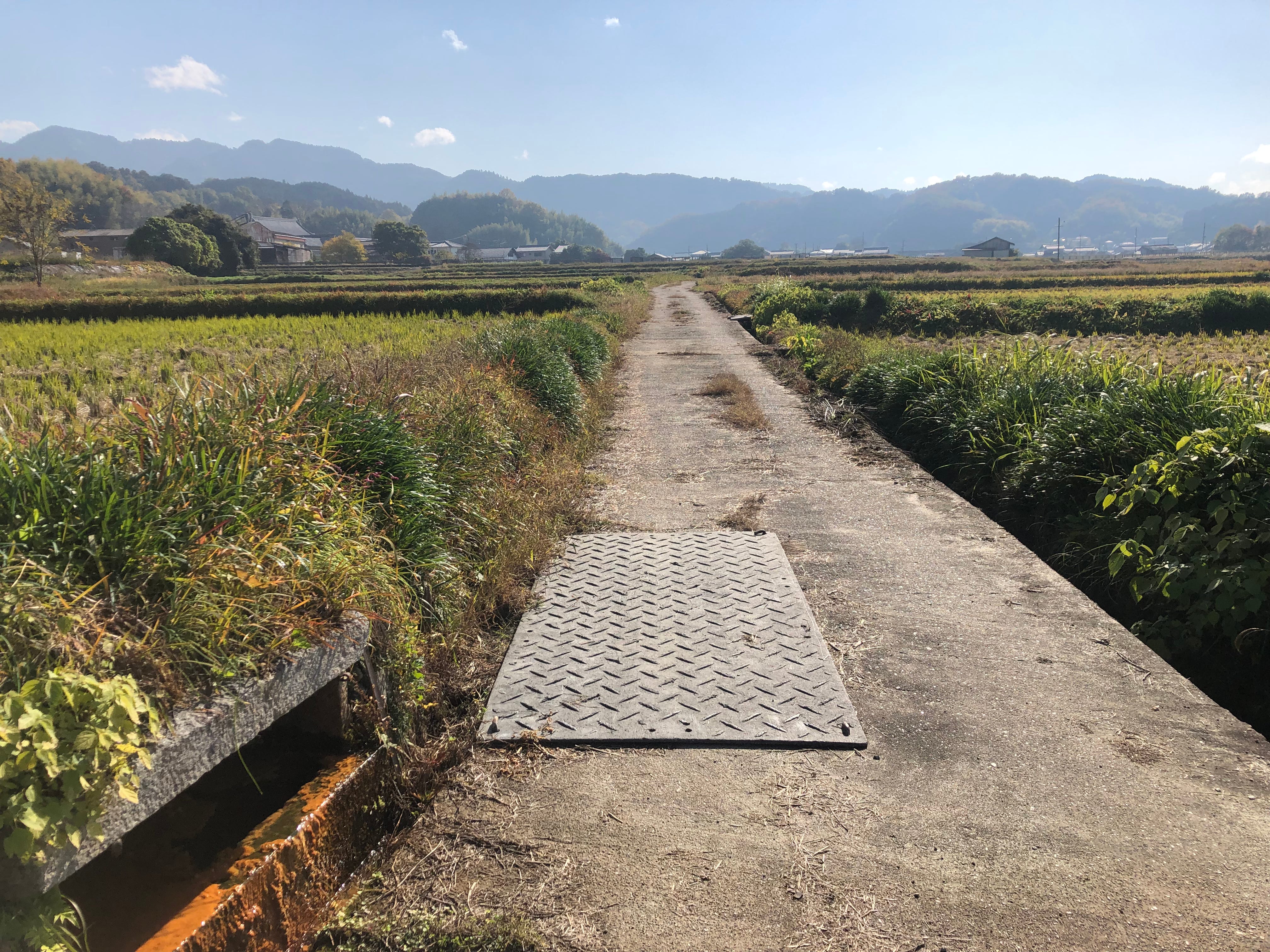
There was nothing dramatic along the path, just a narrow country road lined with rice paddies on both sides. But I noticed the dewdrops glittering on the tips of the leaves and rice stalks, reminding me of all the autumn waka about dew that we’ve been reading recently on micropoetry.jp.
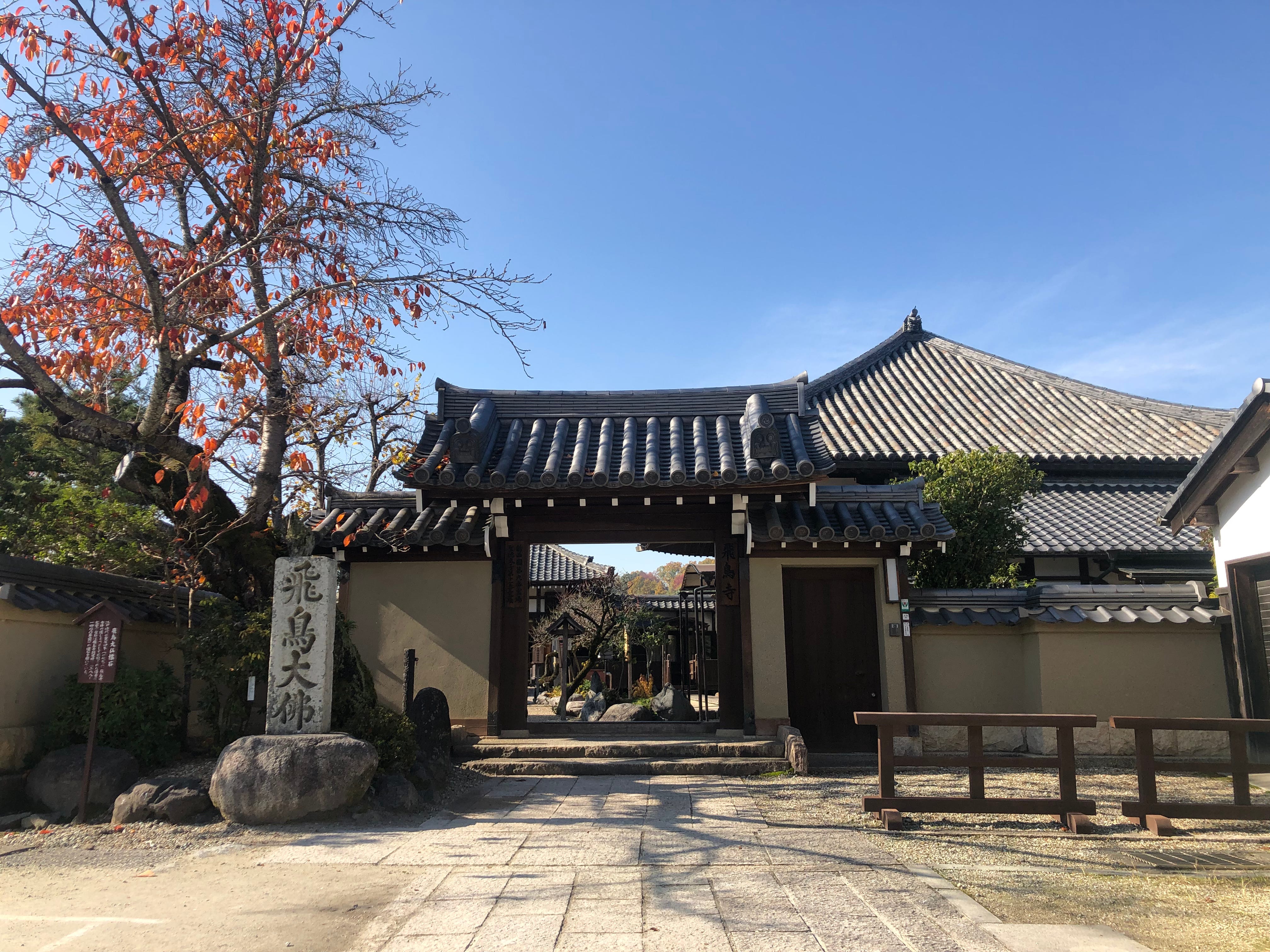
Asuka-dera Temple is considered the oldest Buddhist temple in Japan, founded with the support of Soga no Umako, a devoted patron of Buddhism. The original buildings were lost to fire and rebuilt in the 17th century. Even so, the temple remains plain without bright colors, quietly true to its nature.
The only surviving Asuka Daibutsu has stood here for nearly 1,400 years. Compared with the flamboyant statues and temples of Kyoto, early Japanese Buddhism feels modest and restrained.


Next I visited Ishibutai Kofun, a massive stone tomb. Ishi means stone, butai stage, and kofun an ancient burial mound. Built in the 7th century, the tomb’s occupant is unknown, though the site explains that it was likely Soga no Umako. You can go inside the tomb.
In that period, most tombs in Japan were made of earth, but because of his wealth, power, and strong influence from Chinese culture, this stone structure was chosen instead.
It feels like an international wonder, like Pyramid in Egypt or Stonehenge in the UK. It is amazing to think about how such huge stones were carried up the hill.


This is a Mausoleum of Emperor Tenmu and Empress Jito. The 40th Emperor Temmu and the 41st Emperor Jito were buried together. Emperor Jito was the third female emperor in history. The burial mound is like a small hill.
Empress Jitō is well known for her waka poetry. Here is one of her poems.

We returned to Kashihara Jingu-mae Station and returned the bikes.
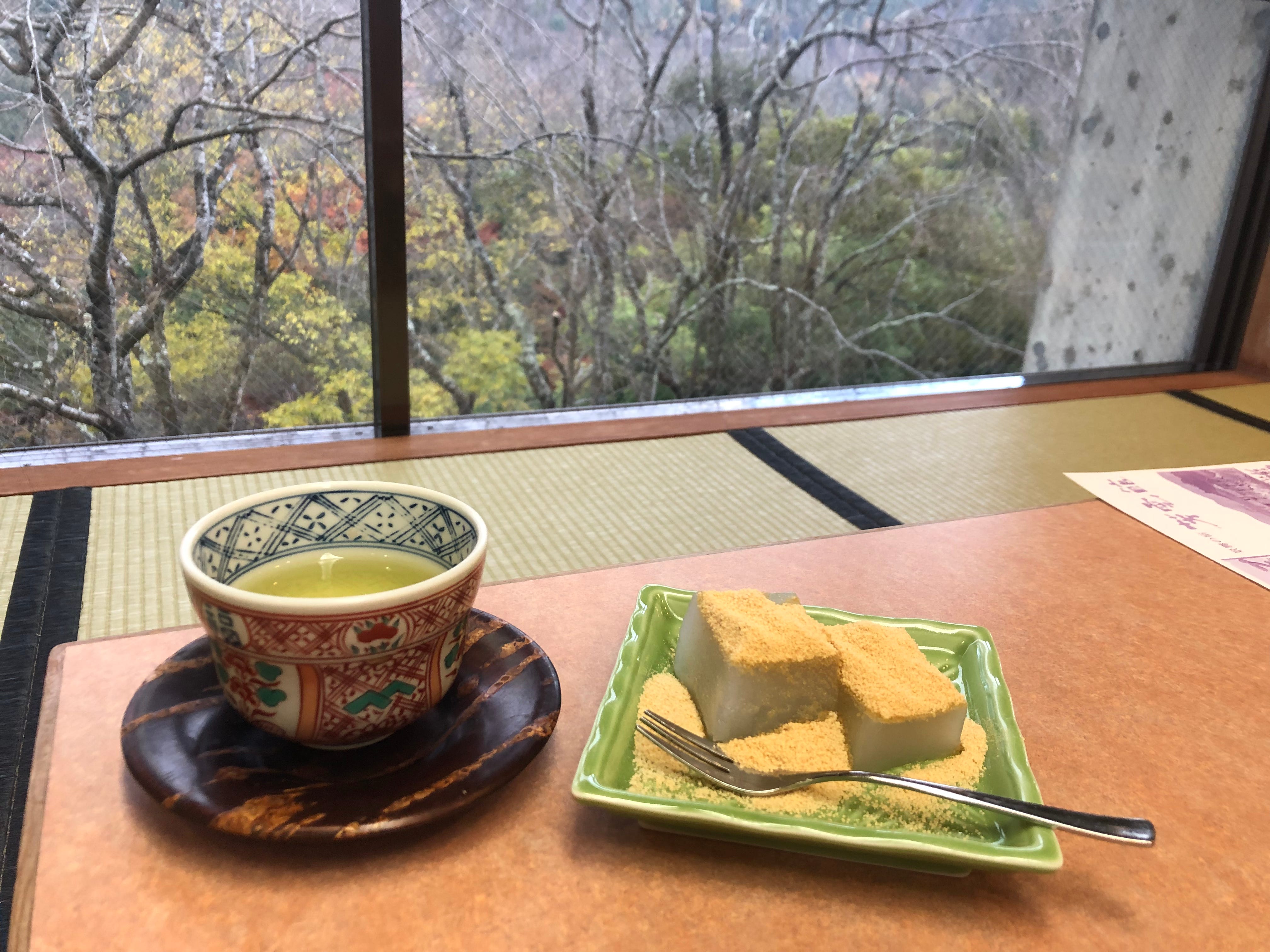
Then we took a train for an hour to Mount Yoshino, a World Heritage site. We walked for another hour, had a cup of coffee and a slice of cake at a cafe, and finally checked into an inn. I enjoyed kuzu-mochi and green tea to end the day.


Notes:
https://k-asuka.com/english/index.html
https://en.wikipedia.org/wiki/Asuka-dera
https://en.wikipedia.org/wiki/Ishibutai_Kofun
https://japantravel.navitime.com/en/area/jp/spot/02301-t7945/